Skip to content

Cleaning Robots Compared

51 models from 17 manufacturers compared

Autonomous cleaning robots are revolutionizing professional building maintenance. They take over time-consuming routine tasks such as wet mopping, sweeping, and vacuuming, enabling more efficient use of cleaning staff for more demanding tasks. Modern cleaning robots use SLAM-based navigation with LiDAR and camera sensors to navigate independently in complex environments. The devices typically operate on lithium-ion batteries and achieve runtimes of 2 to 6 hours. Key selection criteria include cleaning performance in m²/h, working width, tank capacities, and integration into existing building management systems. Applications range from shopping centers and airports to hospitals, warehouses, and office complexes. Many models offer fleet management solutions that allow central control and monitoring of multiple robots. When selecting a model, you should also consider service availability and spare parts supply alongside technical specifications.

Top 5 Cleaning Robots compared

Model ManufacturerWeightSpeedRuntime
KEMARO K900 Gen II K900 Gen II KEMARO AG32 kg0.7 m/s4.0 hDetails
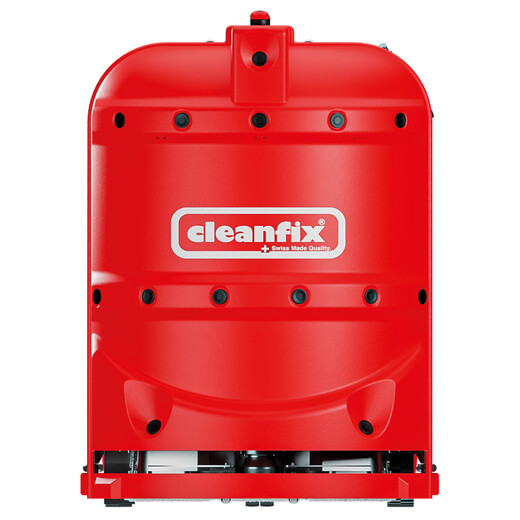
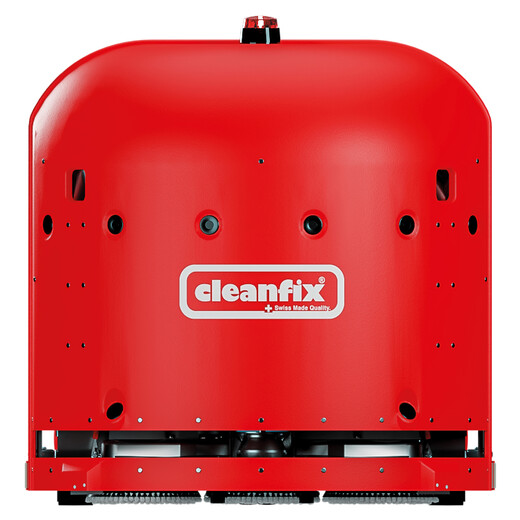
Cleanfix RA660 Navi XL RA660 Navi XL Cleanfix Reinigungssysteme AG313 kg0.6 m/s3.5 hDetails
Cleanfix RA660 Navi M RA660 Navi M Cleanfix Reinigungssysteme AG260 kg0.6 m/s3.5 hDetails
Cleanfix S170-2 SIM S170-2 SIM Cleanfix Reinigungssysteme AG4.2 hDetails
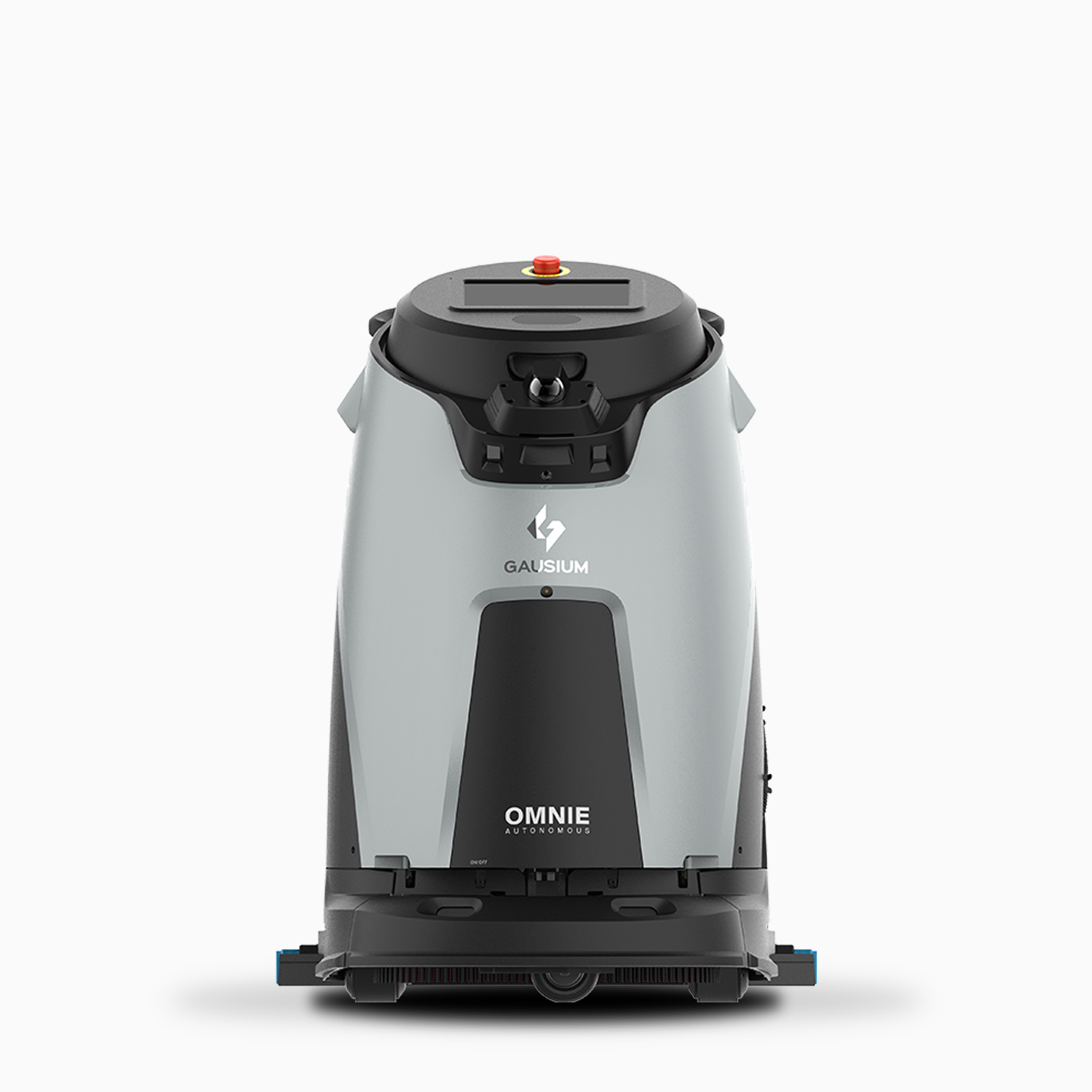
Gausium Omnie Omnie (Roller Brush) Gausium148 kg1.4 m/s3.0 hDetails

All Cleaning Robots (51)

Cleaning

Pudu CC1 CC1

Pudu Robotics

75 kg 1.2 m/s 1000 m²/h 4 trays No ratings
Cleaning

RV3 RV3

RV-Tech

18 kg 0.6 m/s 700 m²/h No ratings

Frequently asked questions about Cleaning Robots

How much does a cleaning robot cost?
Prices for professional cleaning robots vary between EUR 15,000 and EUR 80,000 depending on model and equipment. Compact models for smaller areas are more affordable, while large scrubber-dryers with extensive sensor technology are in the upper price segment. Many manufacturers also offer leasing and rental models.
From what floor area is a cleaning robot worthwhile?
Autonomous cleaning robots are generally worthwhile from a regularly cleaned area of approximately 1,000 to 2,000 m². From this size, labor cost savings can amortize the investment costs within 1 to 3 years. The exact return on investment depends on cleaning frequency, local labor costs, and building structure.
AMR vs. AGV – which is better for cleaning?
For building cleaning, AMRs (Autonomous Mobile Robots) with free navigation have become the standard. Unlike AGVs (Automated Guided Vehicles), they do not require permanently installed guide lines and can flexibly react to obstacles. AMRs use SLAM navigation and dynamically adjust their routes, which is crucial in public buildings with varying foot traffic.
How safe are cleaning robots in public areas?
Modern cleaning robots are equipped with comprehensive safety systems, including 360° LiDAR, bumper sensors, and emergency stop switches. They typically comply with safety standards ISO 13849 and ISO 3691-4. The robots detect people and obstacles and automatically avoid them or stop. Many models are also GDPR-compliant, as no personal image data is stored.
Can cleaning robots detect different floor types?
Yes, many modern cleaning robots feature automatic floor detection. They adjust brush pressure, water flow, and cleaning method to the respective floor type – whether tiles, epoxy, PVC, natural stone, or carpet. This protects the floor while optimizing cleaning results.